
The Evolution and Future of Sports Broadcasting: Trends, Challenges, and Strategies
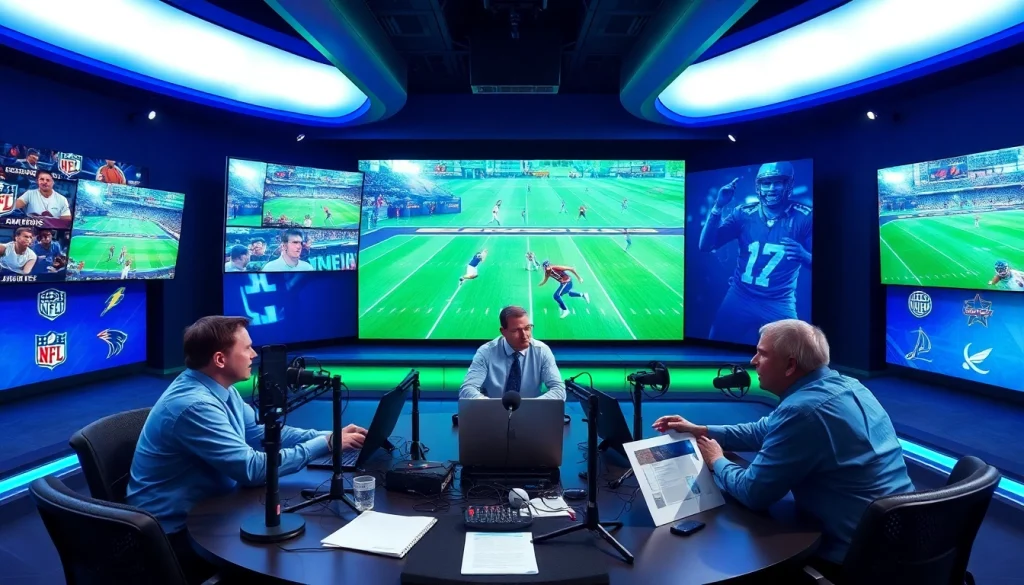
The Landscape of Sports Broadcasting
Sports Broadcasting has evolved dramatically over the decades, transitioning from traditional television broadcasts to a complex ecosystem that now includes digital streaming, social media, and advanced technology. Understanding the various aspects of this domain is essential for anyone looking to engage with the industry. For those keen to explore deeper insights, Sports Broadcasting provides significant resources that delve into these critical topics.
Understanding Sports Broadcasting Basics
At its core, sports broadcasting refers to the distribution of sporting events to a wide audience via various media platforms. This can include television, radio, and increasingly, digital platforms. Each medium presents unique advantages and challenges, impacting how content is created, delivered, and consumed. Live sports broadcasts, in particular, allow fans to experience the thrill of competition in real-time, creating a community around shared viewing experiences.
The Role of Technology in Sports Broadcasting
Technology plays a pivotal role in shaping the future of sports broadcasting. Innovations such as High Definition and 4K broadcasting, multi-camera angles, and slow-motion replays enhance viewer engagement. Moreover, the introduction of cloud-based broadcasting solutions allows greater flexibility in content delivery. Data analytics powered by artificial intelligence (AI) help broadcasters understand viewer preferences and optimize their offerings. Tools for virtual and augmented reality, like virtual stadium tours or player visualization, are also on the rise, changing how audiences interact with sports content.
Comparing Traditional vs. Digital Sports Broadcasting
While traditional sports broadcasting was predominantly carried out through terrestrial television and radio, digital platforms offer new opportunities for personalized and on-demand viewing experiences. Traditional media typically operates on a fixed schedule with limited interaction, whereas digital broadcasting provides viewers the flexibility to watch games on various devices at any time. Moreover, platforms like social media allow broadcasters to share highlights and engage with fans in real-time, fostering a more dynamic interaction than before. This divergence illustrates the changing roles and responsibilities of sports broadcasters in an increasingly digital landscape.
Current Trends in Sports Broadcasting
Rise of Streaming Platforms
The shift toward streaming platforms stands out as one of the most significant trends in recent years. Services like ESPN+, Amazon Prime Video, and Peacock have captured a considerable audience by offering exclusive sports content. This transition is beneficial for fans as it affords them access to niche sports and games that may not be available on traditional television. Sports leagues are also embracing this model, often launching their own streaming services to directly reach their audiences.
Impact of Social Media on Sports Broadcasting
Social media platforms have transformed how fans consume sports content. Twitter, Instagram, and TikTok allow immediate sharing of highlights, interviews, and fan interactions. This not only enhances fan engagement but builds a community around sports events. Furthermore, social media provides broadcasters with free marketing opportunities. Real-time feedback and conversations between fans and analysts create a dynamic environment that can influence how games are presented and discussed during broadcasts.
Emergence of Interactive Viewing Experiences
Today’s audiences expect more than just passive viewing; they crave engaging, interactive experiences. New technologies enable broadcasters to cater to these preferences. Features such as interactive stats, polls during games, and customizable broadcast options allow viewers to tailor their experiences. Gamification elements, such as virtual watch parties and fantasy games, further enhance viewer engagement, creating a more immersive situation where fans can actively participate rather than merely observe.
Challenges Facing Sports Broadcasters
Adapting to Changing Viewer Preferences
As viewer preferences shift toward on-demand and personalized content, broadcasters face significant challenges. The audience of today seeks more control over their viewing experiences, demanding tailored content that resonates with their interests. Broadcasters need to invest in understanding their viewers through data analytics and feedback mechanisms to pivot successfully. This transition requires upholding high-quality standards while being agile enough to adapt to audience feedback and trends.
Regulatory Issues in Sports Broadcasting
The regulatory landscape surrounding sports broadcasting can be complex and challenging. Issues such as copyright infringement, broadcasting rights, and distribution regulations are ongoing concerns. Legislation can vary significantly across regions, creating a tangled web that broadcasters must navigate carefully. Keeping abreast of these regulations and ensuring compliance is essential for the sustainability of any broadcasting operation.
Balancing Commercial Interests with Audience Engagement
Another challenge is striking the right balance between monetization and viewer satisfaction. While advertising and sponsorships are crucial for revenue, excessive commercialization can alienate audiences. Broadcasters must innovate ways to integrate commercial messages without disrupting the viewing experience. This might involve creating engaging ads or promotional content that aligns more closely with the nature of the sport being broadcasted.
Best Practices for Effective Sports Broadcasting
Building a Strong Brand Identity in Sports Broadcasting
Establishing a recognizable brand in sports broadcasting is essential for long-term success. This involves multiple facets, from consistent messaging and visual identity to fostering a connection with the audience. Broadcasters should create a unique voice and value proposition—a clear understanding of what makes them different in a competitive landscape. Engaging storytelling, coupled with quality production values, can help solidify a broadcaster’s reputation and attract loyal audiences.
Enhancing Viewer Engagement through Quality Content
High-quality content is the foundation of viewer engagement. Broadcasters should prioritize creating compelling narratives, behind-the-scenes access, and engaging storytelling that captures the essence of the sport. Maintaining consistency in broadcast quality ensures ongoing viewer loyalty. Engaging content also involves incorporating diverse viewpoints, including fan reactions and expert commentary, fostering a richer viewing environment.
Utilizing Data Analytics for Audience Insights
Data analytics tools are indispensable for understanding audience behavior, preferences, and trends. Tracking metrics such as viewership statistics, consumer engagement levels, and social media interactions enables broadcasters to refine their strategies. Implementing feedback loops where audience insights feed back into programming decisions can lead to enhanced content delivery and more relevant viewing experiences. This data-driven approach not only aids in content creation but also informs advertising strategies and partnerships.
The Future of Sports Broadcasting
Predicting Future Trends in Sports Broadcasting
Looking ahead, several trends are poised to shape the future of sports broadcasting. The integration of advanced technologies such as AI and machine learning will continue to provide insights that refine content offerings. The demand for global sports coverage will drive further partnerships between international leagues. Furthermore, with more events being broadcast virtually, the boundaries of regional broadcasting will fade, leading to a more global sports community.
The Role of Augmented and Virtual Reality in Sports Broadcasting
Augmented reality (AR) and virtual reality (VR) hold transformative potential for sports broadcasting. These technologies can enhance the viewer experience by offering immersive environments where fans feel as if they are part of the action. For instance, VR can recreate live events in a virtual space, while AR can overlay real-time stats and information during games. Adoption of these technologies could redefine viewer interaction, making it more dynamic and engaging over traditional viewing.
Preparing for the Next Generation of Sports Broadcasters
As the sports broadcasting landscape evolves, so too must the professionals within it. Future broadcasters need to be well-versed in multimedia content creation, audience engagement strategies, and the ethical implications of new technologies. Education programs that blend communication, technology, and business acumen will be critical in preparing the next generation of industry leaders. In addition, developing adaptive skills to pivot with emerging trends will be essential for sustaining relevance in a rapidly changing environment.
Frequently Asked Questions
What is the main role of sports broadcasting?
Sports broadcasting disseminates sports events to an audience through various platforms like television and streaming services, creating shared viewing experiences.
How has technology impacted sports broadcasting?
Technology has enhanced sports broadcasting through innovations like HD, data analytics, and interactive features, improving viewer engagement and content delivery.
Why has streaming gained popularity in sports broadcasting?
Streaming has gained traction due to on-demand access, flexibility, and the availability of niche sports content, appealing to a broader audience.
What challenges do sports broadcasters face today?
Challenges include adapting to audience preferences, navigating regulatory issues, and balancing commercial interests with viewer satisfaction.
What trends should we expect in the future of sports broadcasting?
Future trends may include the rise of AR/VR technologies, increased global coverage, and the continued importance of data analytics for audience insights.